WEB DESIGN PROCESS
Website Design and Development Process
A clear, collaborative process for planning, designing and developing a custom WordPress website that supports your business and is easy to manage.
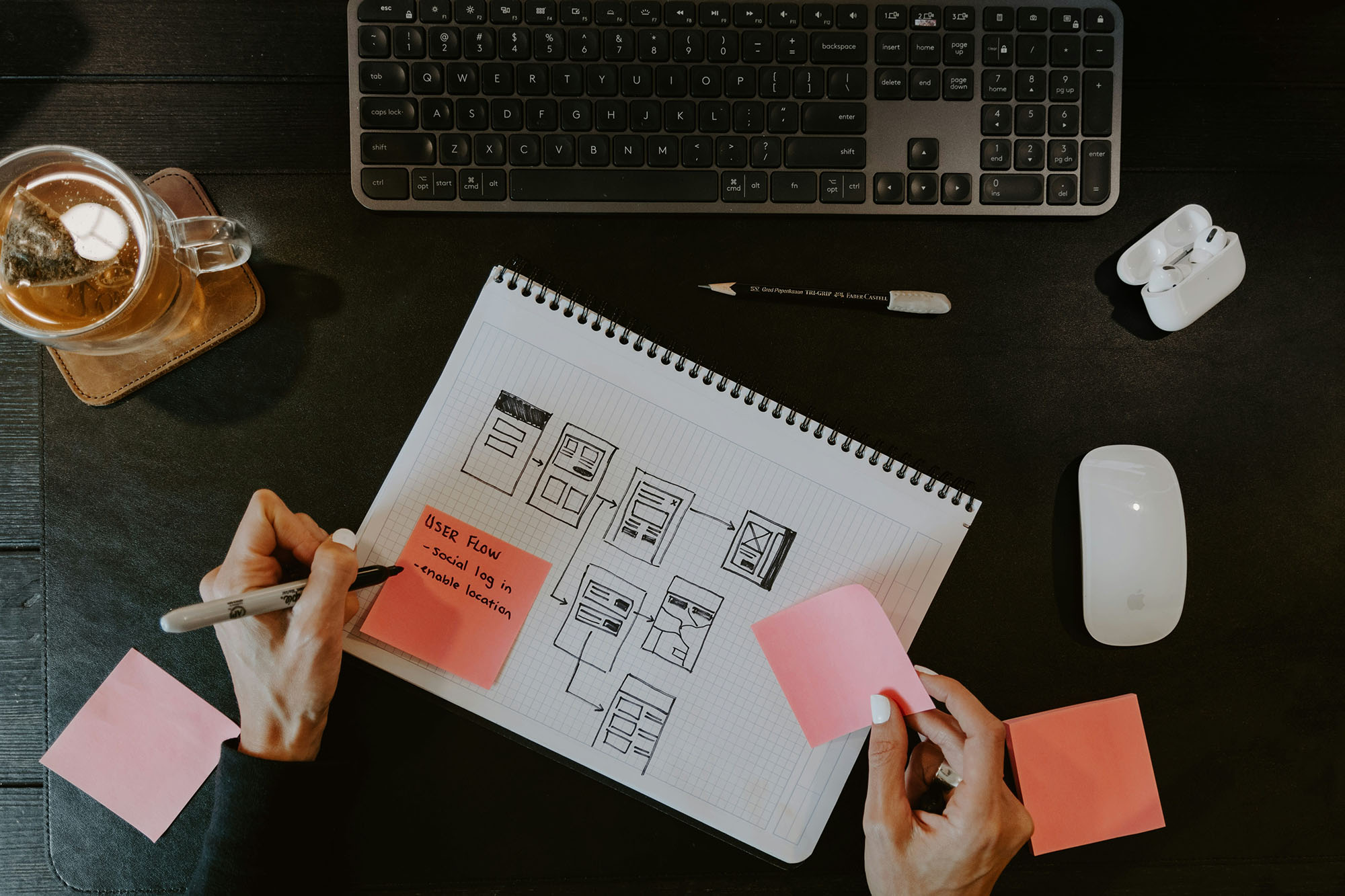
Every website project is different, but having a clear process helps keep the work focused, organised and moving in the right direction. From the initial planning through to launch and training, each stage is designed to make sure the finished website looks professional, works well for your users and gives you the flexibility to manage it confidently.
1. Discovery, research and planning
The project begins by establishing what the website needs to achieve.
We will discuss your business, audience, services, existing website and future plans. This helps identify the main goals of the project, whether that is generating more enquiries, presenting your work more effectively, selling products, supporting members or making complex information easier to navigate.
From there, I will review the content and functionality the website may need, including:
- key pages and service areas
- target audiences and user journeys
- calls to action
- content requirements
- forms and integrations
- portfolio, blog or resource areas
- website navigation
- any existing content that should be retained
This stage usually results in a proposed sitemap and, where useful, wireframes showing how key pages may be structured.
You will have the opportunity to review and refine these before we move into visual design.
2. Content planning
Once the website structure has been agreed, we can identify the content needed for each page.
This may include:
- written copy
- photography
- project imagery
- testimonials
- team information
- downloadable documents
- videos
- product or service details
I will provide a clear list of what is required so you know exactly what needs to be prepared.
Where needed, I can also help with content structure, page messaging and guidance on what information should be prioritised. If you are working with a copywriter, photographer or wider marketing team, I can collaborate with them throughout the project.
3. Visual direction
Before designing the full website, we will establish an appropriate visual direction.
This may involve reviewing your existing brand, discussing websites and styles you respond to, or creating a mood board that explores elements such as:
- typography
- colour
- photography
- layout
- spacing
- illustration
- animation
- overall tone
The aim is not to copy another website, but to agree on a visual direction that feels suitable for your business, audience and brand.
If your existing identity needs refinement before it can be applied effectively online, this can also be discussed as part of the project.
4. Website design
Once the structure and visual direction are agreed, I will begin creating high-fidelity website designs.
These show how the finished website will look, including typography, imagery, colour, spacing, buttons, content sections and responsive behaviour.
I usually begin with the homepage or another key page because this helps establish the main design system for the website.
You will be able to review the design and provide feedback before we move forward. Once the overall direction is approved, I will apply the design system across the remaining pages, templates and content areas.
Depending on the project, this may include:
- service pages
- project or case study templates
- blog and article layouts
- team pages
- product pages
- contact forms
- landing pages
- resource libraries
- membership areas
- search and filtering interfaces
The full design stage is reviewed and approved before development begins.
5. Custom WordPress development
After design sign-off, I will develop the website in WordPress.
The build will follow the approved layouts while also considering performance, responsive behaviour, accessibility and ease of content management.
Rather than relying on a rigid off-the-shelf template, I create flexible editing systems tailored to the needs of each project. This may include reusable content blocks, custom fields and page-building options that allow you to update the website without losing visual consistency.
Depending on the project, development may include:
- custom WordPress theme development
- responsive front-end development
- flexible page layouts
- blog and case study systems
- forms and third-party integrations
- eCommerce or membership functionality
- event or booking integrations
- search and filtering tools
- animation and interactive elements
- performance optimisation
- basic technical SEO setup
During this stage, the website is built privately on a staging environment rather than directly on the live domain.
6. Content population
Content can be added throughout the project, but the main population stage usually takes place once the core website has been developed.
Depending on the agreement, this may be completed by me, by your internal team or collaboratively.
I will make sure the content is presented clearly and consistently across the site, including headings, imagery, buttons, links and supporting calls to action.
This is also an opportunity to identify any final gaps before testing begins.
7. Review and testing
When the initial build is complete, I will provide a private preview link so you can review the website on the staging server.
At this stage, we will check:
- page content
- links and buttons
- contact forms
- navigation
- responsive layouts
- images and video
- interactive elements
- browser compatibility
- content-management tools
You can provide final feedback, and I will make the agreed adjustments before launch.
The website will also be reviewed across common desktop, tablet and mobile screen sizes to make sure the experience remains clear and usable.
8. WordPress training
Before launch, we will arrange a video call where I will walk you through the WordPress editing system.
The training will be tailored to your website and may cover:
- editing existing pages
- adding new pages
- creating projects or case studies
- publishing blog posts
- updating images
- managing menus
- editing forms
- adding products or events
- using custom content blocks
You will be able to ask questions and see exactly how the different areas of the website work.
Where appropriate, I can also provide supporting help articles or recorded guidance for future reference.
In-person training can be discussed when required.
9. Website launch
Once the website has been approved, tested and signed off, I will prepare it for launch.
This may include:
- moving the site to your hosting
- connecting the domain
- installing an SSL certificate
- setting up redirects
- checking forms and email delivery
- adding analytics or tracking
- submitting the sitemap to search engines
- completing final technical checks
If you do not yet have suitable hosting, I can advise on an appropriate setup.
There may be a short period of downtime while the domain or website is moved, although this is usually kept to a minimum.
10. After launch
Once the website is live, I will carry out final checks to make sure everything is working as expected.
You will then have a website that is ready to support your business and can be updated through WordPress as your content, services and projects develop.
Ongoing support, maintenance and future improvements can also be arranged where needed.
What I need from you
The best website projects are collaborative.
You do not need to understand web design or WordPress, but you will need to provide timely feedback, approvals and the content required for the agreed pages.
At the beginning of the project, I will explain what is needed and when, so the process feels manageable rather than overwhelming.
How long does a website project take?
Timescales depend on the size and complexity of the website, the amount of content required and how quickly feedback and approvals can be provided.
A smaller brochure website may take several weeks, while a larger custom WordPress website with more complex content or functionality will take longer.
A proposed schedule will be provided before the project begins, with clear stages for planning, design, development, review and launch.
Planning a new website?
A good website should do more than look polished. It should make your services easier to understand, guide users towards the right information and give you a practical way to manage content as your business grows.
My website design and development process brings strategy, UX, visual design and custom WordPress development together into one clear project.